Water is coming back up.
Stop using water. Keep people away from sewage and wet electrical equipment. Contact a local drain contractor and your municipality or utility directly.
Plan the follow-upA slow drain. A recurring backup. A camera report you need to make sense of. Start with what you know, understand your options, and build a useful request for local help.
Independent guidance. A better brief for the person doing the work.

You do not need to know the name of the service. Pick the situation that sounds like yours.
Stop using water. Keep people away from sewage and wet electrical equipment. Contact a local drain contractor and your municipality or utility directly.
Plan the follow-upA clear line is the beginning. A camera can help distinguish roots, buildup, a sag or a damaged section before you choose the next job.
Find the next stepLocation, condition and grade decide whether a spot repair, lining, bursting or replacement makes sense. Compare the scope of work.
Build a repair briefBuying an older home? Planning an infill? Put line condition, access, the deadline and municipal requirements into the conversation early.
Plan an inspectionThe HAUSE Sewer desk handles service requests and follow-up help. For an active backup, contact a local contractor directly; the desk does not operate emergency dispatch.
Choose the symptom, property and timing. See a sensible starting service, the evidence to gather and what may follow.
Open the full Service Selector →This guide runs in your browser. It helps you prepare; a qualified contractor confirms the cause.
When clogs recur, footage helps explain why. If the line is currently blocked, restore flow before a useful camera inspection.
How camera inspection works →Clearing, inspecting and repairing are different jobs. Know what each one resolves, and what still needs an answer.
A camera records the accessible line. A locate can mark a defect's position and depth for repair planning.
Camera inspectionMatch the method to the blockage and pipe condition. Ask what the visit includes and whether a camera follows.
Drain cleaning Hydro jetting Root removalUse the recorded condition, grade and access to compare the work. Ask for reinstatement, permits and warranty in writing.
Spot repair Trenchless methods Line replacementContamination, city-side backups and new connections each need their own plan, beyond work inside the existing pipe.
Sewage cleanup Backwater protection New connectionWork out the first service, build a planning budget or explore how your house connects to the street.
Turn a symptom into a starting service and possible follow-up work.
Choose a next step PLAN THE BUDGETExplore how the service, line length, depth and surface affect a planning range.
Explore the estimate SEE THE WHOLE SYSTEMTap the parts of a home sewer and see what changes when a problem appears.
Try the interactive modelCost tools show planning estimates in Canadian dollars. A site assessment and a written scope determine a contractor's quote. See the assumptions →
Every drain in a house runs into one pipe that leaves under the yard and joins the street main. Select any part to see what it does, then switch on a problem and watch where the water goes — and which service fixes it.
Where does it go? Press flush and follow one trip from a toilet to the river, stop by stop.
The ownership boundary is local. It may be the property line, or the owner may be responsible all the way to the main. Ask the utility to confirm the boundary and its reporting process.
Understand line responsibility →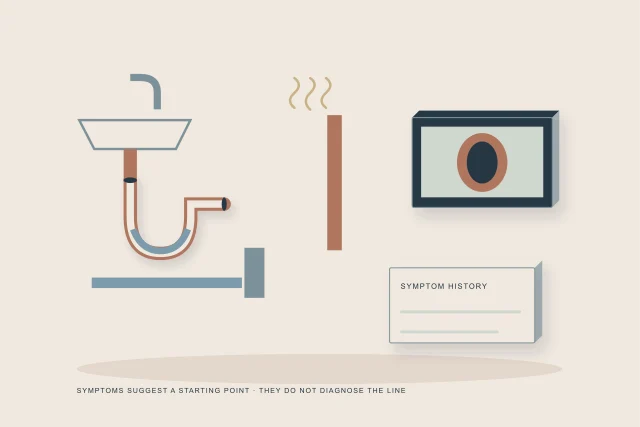
Warning signs, recurring symptoms and the details to record.
↗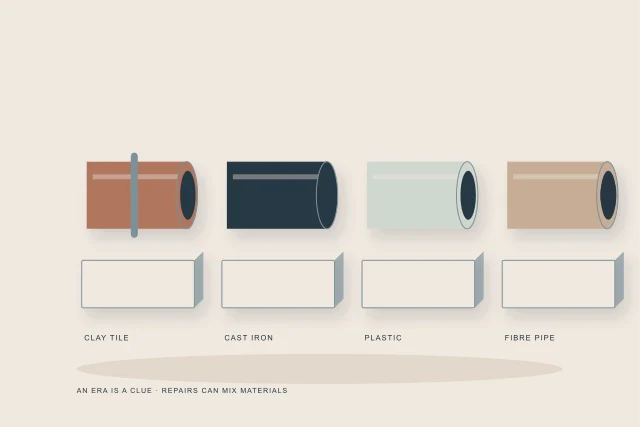
Common pipe materials and why condition matters more than an age alone.
↗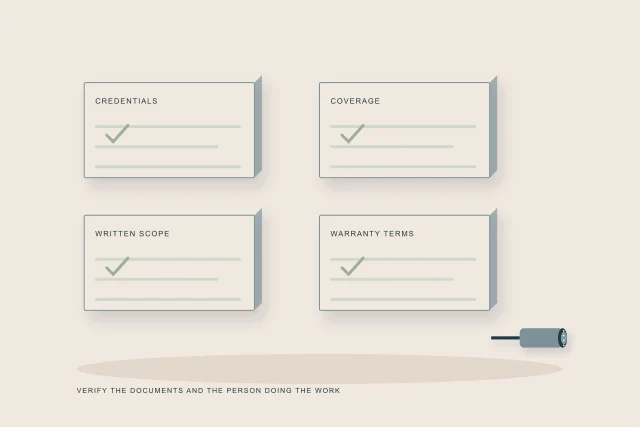
Camera evidence, scope, access, restoration and a written warranty.
↗
Seasonal care for traps, cleanouts, drains and backwater valves.
↗Sewers.ca is an independent information and service-request portal in the HAUSE Sewer network. The desk can help with next steps and pass a request to a local contractor where available. Work, availability and terms are confirmed with the contractor.
Describe the symptoms, city, property type and timing. Add what the camera showed, where access is available and what any existing quote includes. The brief builder above puts your selected context into the form for you to review.
For immediate help, stop using water, keep people away from sewage and wet electrical equipment, and contact your municipality or utility and a local contractor directly. The desk handles requests and follow-up help; it does not dispatch emergency crews or promise a response time.
The ranges are planning estimates. City, access, depth, pipe condition, permits and surface restoration change the work. Get a written scope and a site-specific quote before authorizing it.
Send the symptoms and anything you already know — age of the house, what a camera found, what you have been quoted. The HAUSE Sewer desk replies with next steps and, where available, a local contractor for the job.
Sewage backing up right now? Stop using water, keep people away from the water, and do not touch electrical equipment near it.