Commercial and multi-unit sewer service uses the same ten lanes as a house, but with larger pipe, more users, and more rules. Food businesses must manage grease interceptors under municipal bylaws, work has to be scheduled around tenants and trading hours, condominium corporations usually control shared lines, and access to manholes and large pipes brings confined-space hazards that only trained crews should handle.
- In Calgary, every facility where food is cooked or prepared must have a grease interceptor, serviced at least every four weeks, with two years of records kept.
- Shared lines mean shared decisions: condo boards, landlords and tenants need to agree who authorises and pays for work.
- Larger pipes are usually filmed with wheeled crawlers and often coded to NASSCO's PACP or LACP systems.
- Manholes and large sewers are confined spaces; CCOHS reports that an estimated 60% of confined-space fatalities are would-be rescuers.
- Access, business hours and tenant notice shape price and method as much as the pipe does.
01 /How is commercial sewer service different from residential?
The pipe is larger, the flows are higher and more varied, and the consequences of downtime are measured in lost trading or displaced tenants. The service lanes themselves are the same: inspection, cleaning, jetting, root removal, repair, replacement, trenchless methods, new connections, cleanup and backflow protection. What changes is how they are planned and delivered.
| Factor | House | Commercial or multi-unit |
|---|---|---|
| Pipe size | Usually 100 mm lateral | Often 150 mm and larger; building drains branch widely |
| Who decides | The owner | Owner, condo board, property manager, sometimes tenants |
| Access | Basement cleanout or yard | Mechanical rooms, parkades, manholes, roof stacks |
| Scheduling | Any weekday | Around trading hours, tenant notice, night work |
| Grease | Kitchen habits | Interceptors required by bylaw for food businesses |
| Inspection | Push camera | Crawler cameras, often with coded reports |
| Safety | Household hazards | Confined spaces, traffic control, larger excavations |
The Sewers.ca service selector adds a note for commercial and multi-unit properties: access, business hours and grease rules shape the work, so say so when asking for quotes. Calgary's open dataset of public-side service lines explicitly excludes large commercial and multi-family services, a reminder that these connections are handled differently.
02 /What are the grease interceptor rules for food businesses?
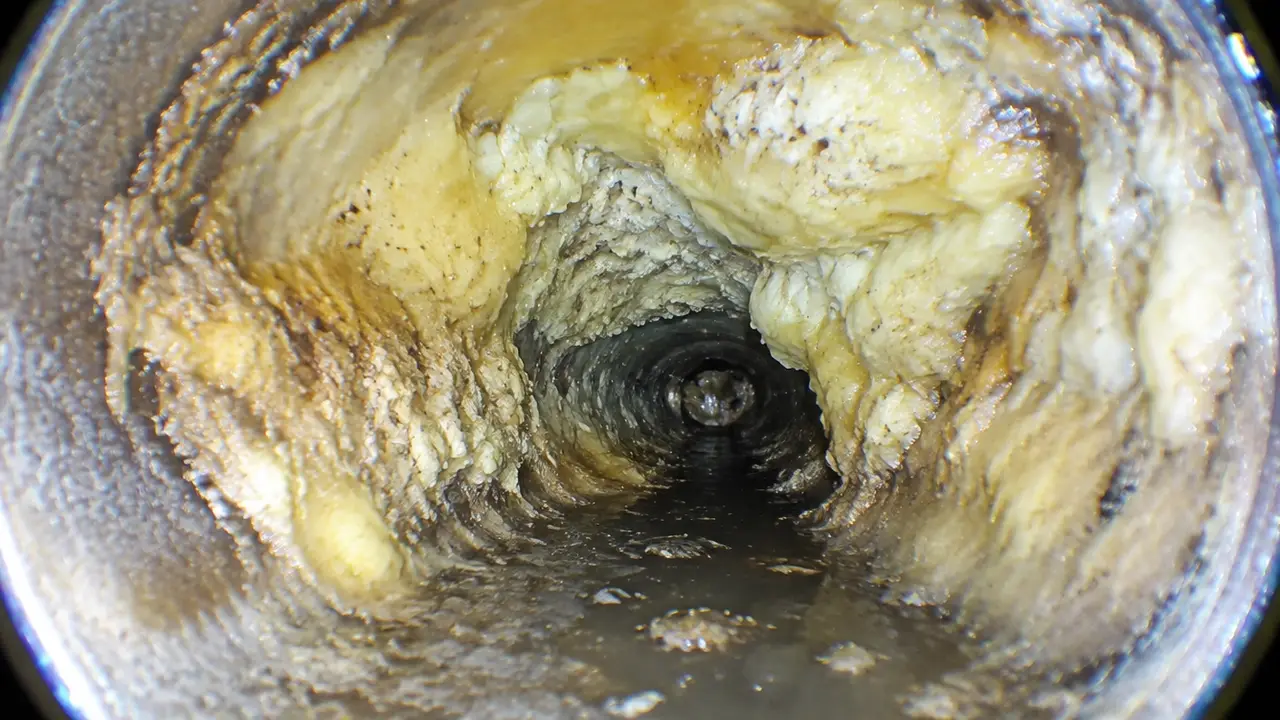
Grease is the defining commercial sewer problem, and cities regulate it directly. In Calgary, the Wastewater Bylaw requires all industrial, commercial and institutional facilities where food is cooked, processed or prepared, or where fats, oils and grease are released, to install a grease interceptor, with no minimum amount of grease.
- Installation: by a licensed plumber under a plumbing permit issued by a City of Calgary inspector.
- Servicing: at least once every four weeks, removing the entire contents and cleaning and inspecting the interceptor.
- Records: a maintenance log of cleaning frequency and fullness, with records for the previous two years available for inspection.
Other municipalities have their own sewer-use bylaws with different frequencies and sizing rules. Check yours before opening, renovating a kitchen or changing a menu that increases fryer use. A kitchen line that still clogs despite a maintained interceptor is a candidate for scheduled hydro jetting and a camera inspection.
03 /Who is responsible for sewer lines in condos and rental buildings?
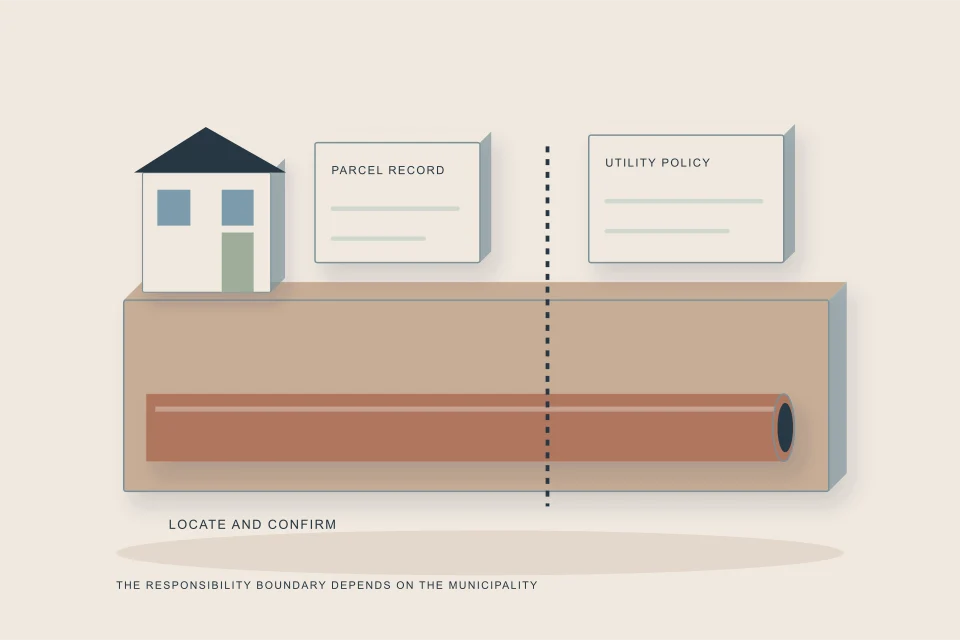
In condominiums, the building drains, stacks and service connection are usually common property maintained by the corporation, with unit owners responsible for fixtures and drains inside their units. The declaration, bylaws and provincial condominium law set the exact line. In rental buildings, the landlord normally owns and maintains the sewer, and tenants report problems.
- Report to the manager first
Unit owners and tenants should report backups and slow drains to the property manager or board before calling anyone.
- Find the source
A camera run shows whether a blockage is in a unit branch, a shared stack or the building's main.
- Agree who pays
Common-element problems usually fall to the corporation; unit-caused blockages may be charged back under the bylaws.
- Give notice
Water shut-downs and access to units need advance notice to residents.
Townhouse complexes vary more: some units have individual laterals, others share them. The who owns the sewer line guide covers shared laterals and how cities split responsibility.
04 /How are larger sewer lines inspected and cleaned?
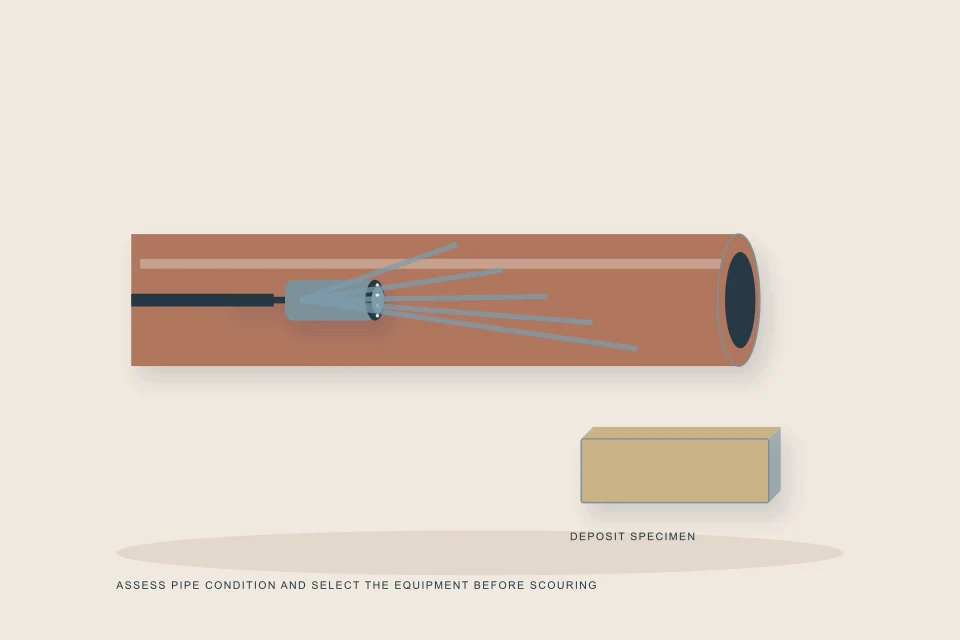
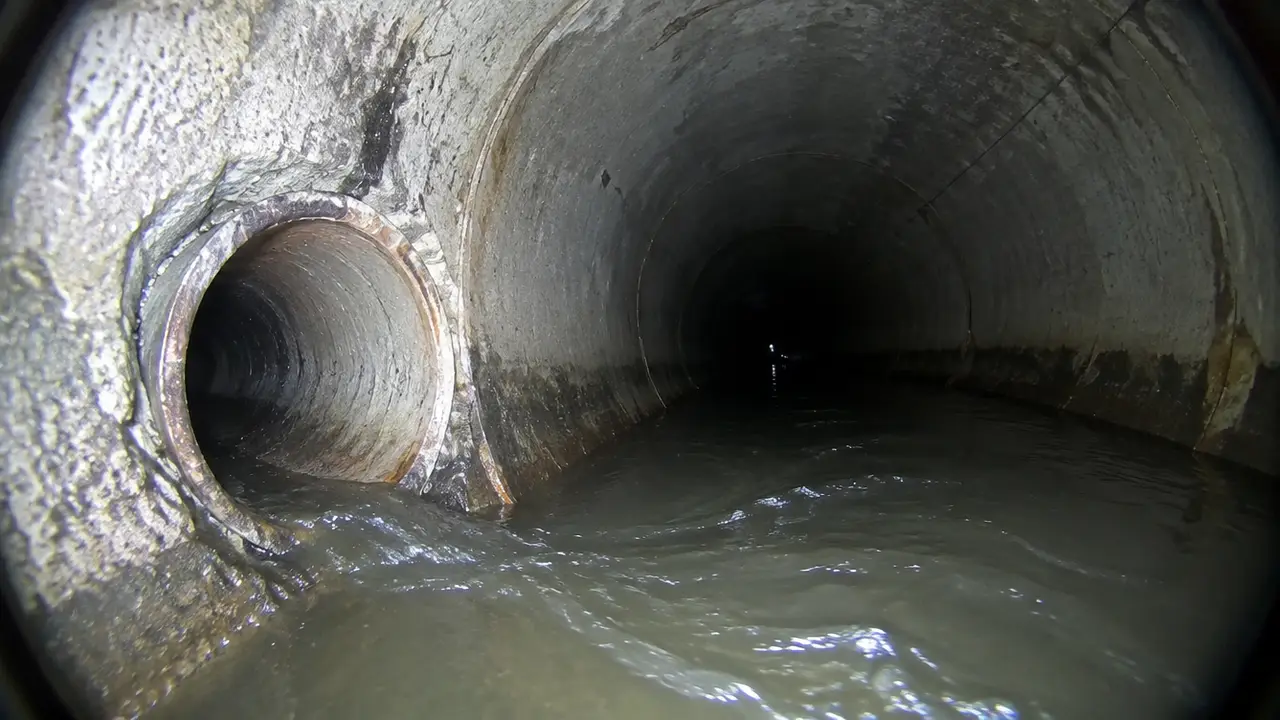
Large-diameter pipe is usually inspected with a wheeled crawler camera driven from a manhole or large access point, and cleaned with truck-mounted jetters and vacuum units. Owners and municipalities often ask for reports coded to NASSCO's standards, such as PACP for mainlines and LACP for laterals, so that defects are described consistently across inspections and contractors.
Where lines must stay in service during repair, contractors may set up bypass pumping to carry flow around the work area. Ask whether a quote includes bypass pumping, traffic control and after-hours premiums, since these can outweigh the pipe work.
05 /What safety rules apply to commercial sewer work?
Two hazards dominate: confined spaces and excavations. CCOHS lists sewers and manholes among confined spaces and identifies oxygen deficiency, toxic gases such as hydrogen sulphide, and asphyxiants as the critical dangers. It also reports that an estimated 60% of confined-space fatalities have been among would-be rescuers.
Excavations for commercial laterals are often deeper and closer to traffic than residential ones, and they fall under provincial occupational health and safety rules, such as the excavating part of Alberta's OHS Code. Contractors should also request locates before digging; in Alberta, customer-owned lines are not registered with Utility Safety Partners.
06 /What should a commercial sewer service request include?
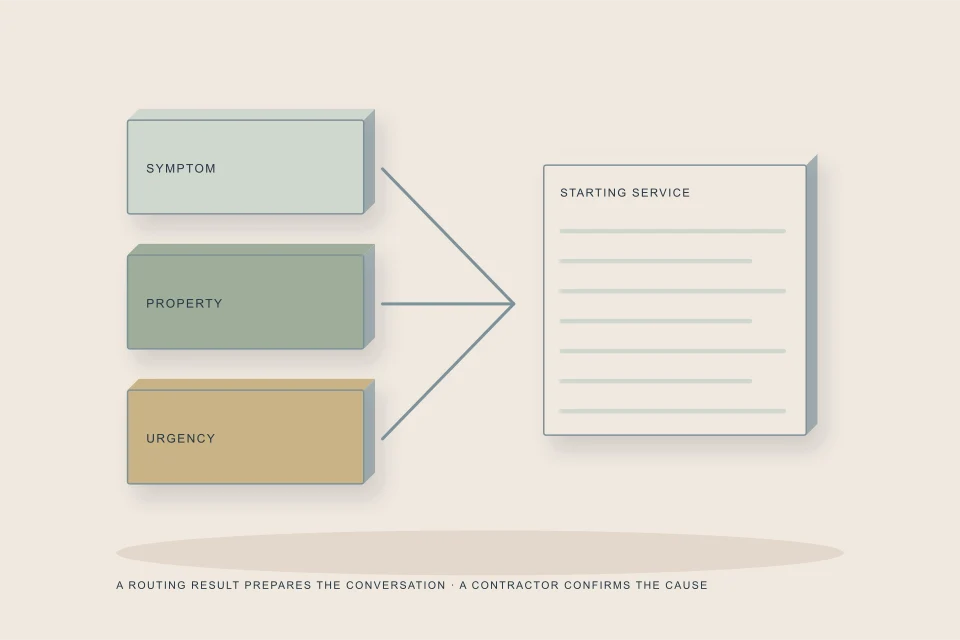
Commercial quotes vary with conditions a contractor cannot guess, so a complete request saves a site visit and produces comparable prices.
- Building type, number of units or tenants, and whether food is prepared on site.
- Where the access points are: cleanouts, mechanical rooms, parkade drains, manholes on the property.
- Trading hours, and windows when water can be shut off or lines taken out of service.
- Interceptor size, servicing records and the last cleaning date, where one exists.
- Any previous camera reports, coded or not, and past repair locations.
- Who authorises work and who pays: owner, board, property manager or tenant.
With that list, contractors can say early whether night work, bypass pumping or traffic control will be needed, which are the items most likely to change a commercial price.
07 /How should commercial owners plan sewer maintenance and costs?
Scheduled maintenance is usually cheaper than emergencies in a building with many users. A sensible plan combines interceptor servicing where required, periodic camera inspection of the main building drain and lateral, and jetting on a frequency set by what the camera shows.
| Element | Frequency guide | Set by |
|---|---|---|
| Grease interceptor servicing | At least every four weeks in Calgary | Municipal bylaw |
| Camera inspection of main drain and lateral | Every few years, or after symptoms | Condition and history |
| Jetting of kitchen and main lines | As footage shows buildup | Camera findings |
| Backwater protection check | At least yearly | Device maintenance guidance |
For new commercial connections and site servicing submissions, see new sewer connection. When you have a scope, send the details to the desk, including building type, access, trading hours and any interceptor records.
FAQQuestions people ask
How often must a restaurant grease interceptor be cleaned?
It depends on the municipality. In Calgary, the Wastewater Bylaw requires grease interceptors to be serviced at least once every four weeks, with the entire contents removed, and maintenance records kept for two years.
Who pays for a blocked sewer line in a condominium building?
Usually the condominium corporation, when the blockage is in a common drain, stack or the building's service line. If a unit caused it, the bylaws may allow the cost to be charged back. The declaration and bylaws decide.
Can commercial sewer work be done after business hours?
Often yes, and many businesses prefer it, but night and weekend work usually costs more. Ask for scheduled and after-hours prices so you can weigh lost trading against the premium.
What is bypass pumping in sewer repair?
Bypass pumping temporarily carries wastewater around a section of pipe using pumps and hoses, so the building or network can stay in service while that section is repaired, lined or replaced.
Why do commercial sewer inspections use coded reports?
Coding systems such as NASSCO's PACP and LACP describe defects in a consistent way, so owners, engineers and contractors can compare inspections over time and price repairs from the same description.
NETWORKGo deeper across the HAUSE Sewer network
Condo and multi-unit sewer inspections: who scopes what
Condo and multi-unit sewer inspections: shared vs unit piping, what boards should scope, what buyers should ask for, and access in occupied buildings.
SewerJetting.caCommercial and municipal sewer jetting: combination trucks, interceptors and schedules
Commercial sewer jetting explained: jet-vac combination trucks, high-flow mains cleaning, restaurant grease lines, interceptors and confined space rules.
PipeCleaning.caCondo and apartment drain stack cleaning
Condo and apartment drain stack cleaning: why kitchen stacks back up on lower floors, how stacks are jetted or descaled, and how boards schedule it.