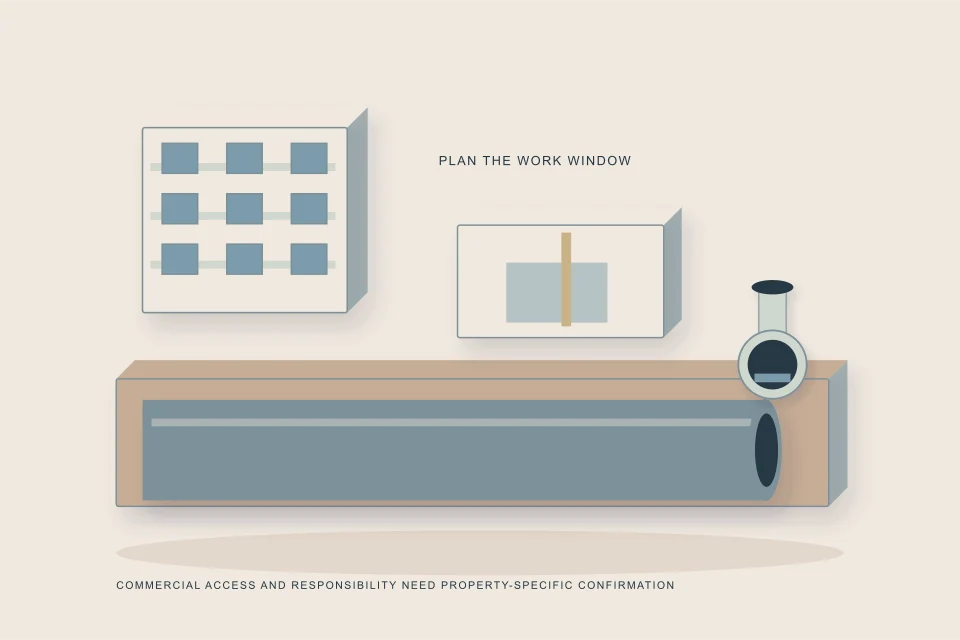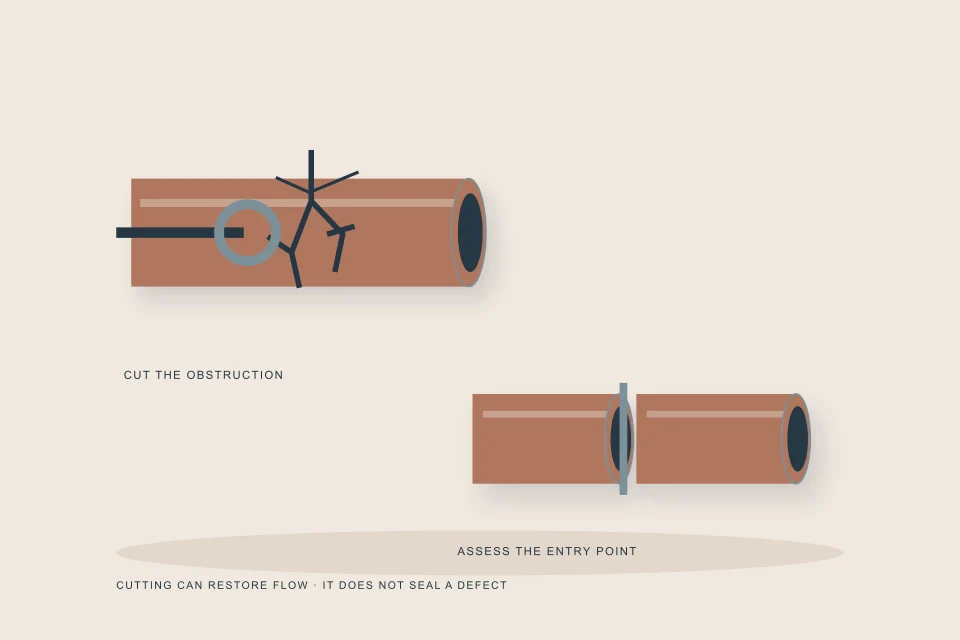
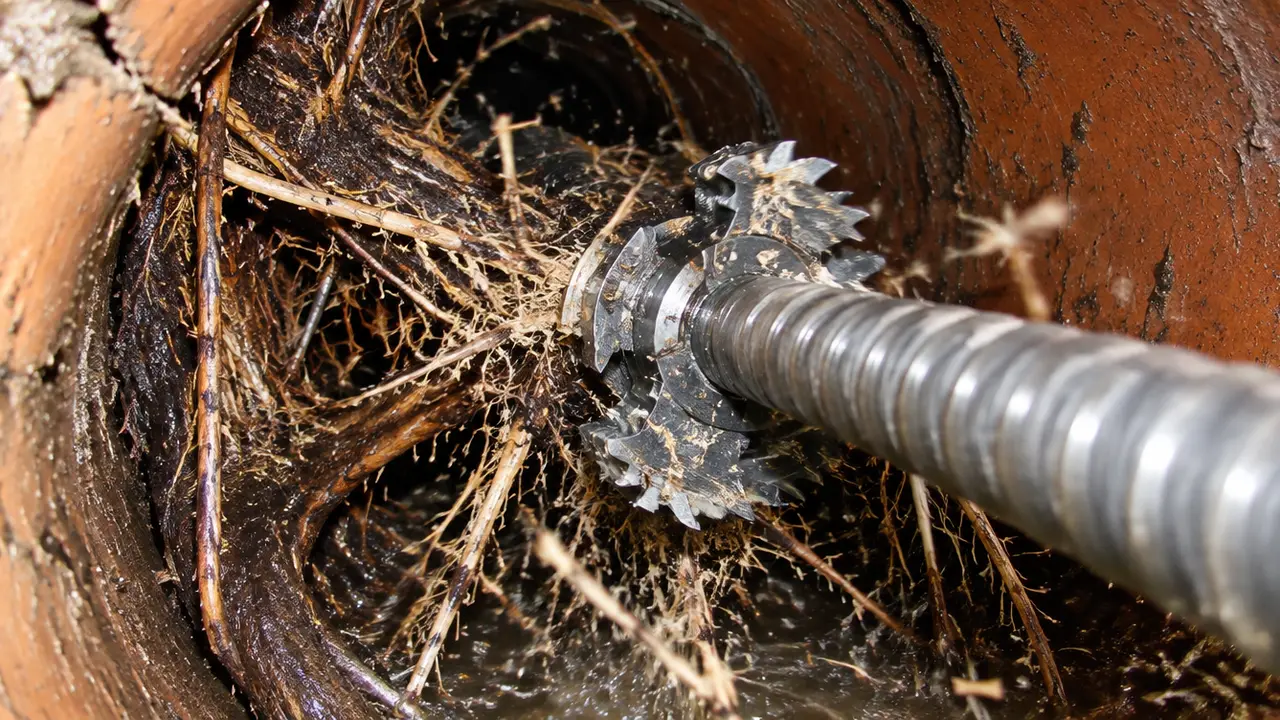
Sewer root removal cuts tree roots out of a sewer line with a cable-driven root saw or a jetter fitted with a root-cutting nozzle, then flushes the pieces away. It restores flow, but roots grow back through the same open joints or cracks. A lasting fix seals those entry points with a liner or a repair, or replaces the pipe, which is why the selector pairs roots with repair.
- Roots do not break into sound, tight joints; they follow moisture into joints and cracks that are already open.
- Cutting is maintenance, not repair. Expect regrowth, and plan the interval from what the camera shows.
- The entry point matters more than the tree. Fix the joint and the tree can usually stay.
- Clay and older jointed pipe are the usual victims; modern gasketed PVC with tight joints resists roots far better.
- Before anything is cut near a boulevard tree, ask your municipality who owns the tree and the pipe beneath it.
01 /How do tree roots get into a sewer line?
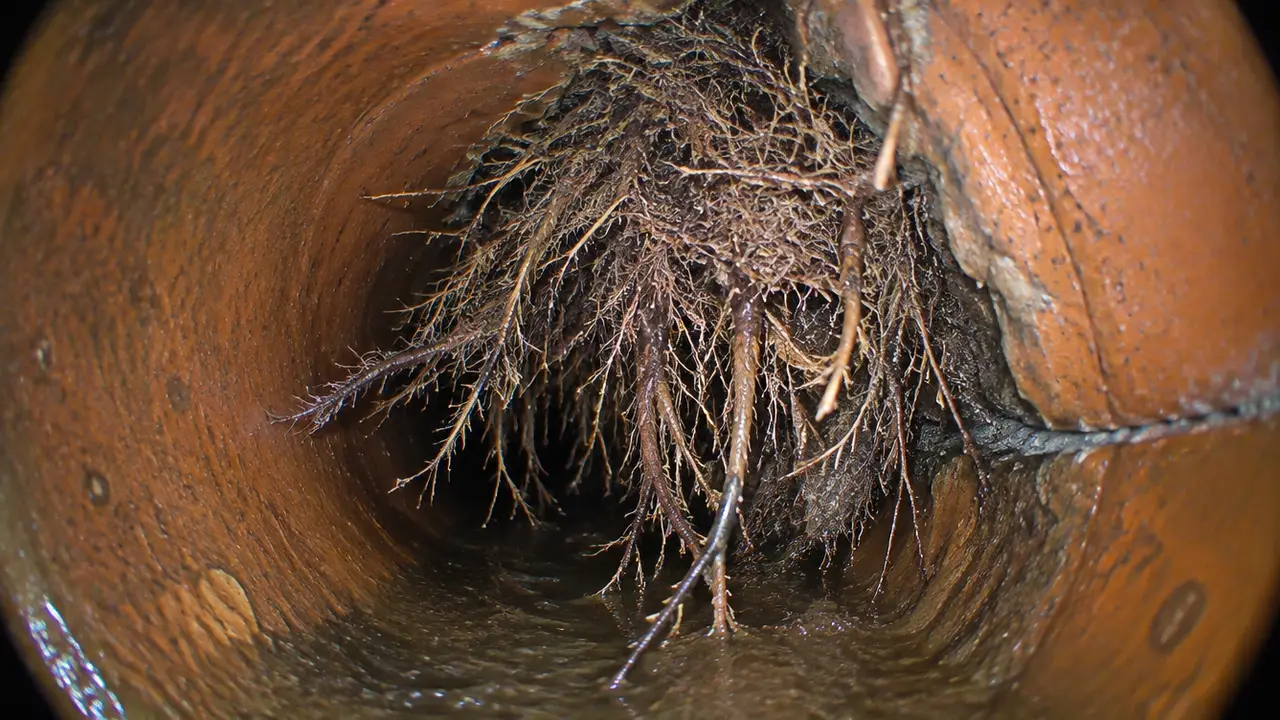
Roots enter where water vapour and nutrients escape: open or poorly sealed joints, cracks, and connections where a lateral meets another pipe. Once a hair root is inside, the steady supply of water and nutrients lets it branch into a mass that catches paper and wipes. The blockage that sends you looking for help is usually that debris caught in the roots, not the roots alone.
Older laterals built from short lengths of vitrified clay have a joint every metre or so, and many were sealed with materials that have not aged well. That is why root trouble concentrates in mature neighbourhoods with older pipe and older trees, and why roots are such a frequent finding on camera footage from established Alberta communities.
02 /When is root removal the right service to book?
Book root removal when roots are the confirmed cause, either because they came back on a cleaning cable or because a camera filmed them. If you only suspect roots because there is a tree in the yard, start with a camera inspection instead; plenty of slow lines near trees are caused by something else.
| What the camera shows | Short-term service | Longer-term lane |
|---|---|---|
| Fine roots at one or two joints | Cut and flush | Re-check in a year or two; seal those joints if they recur |
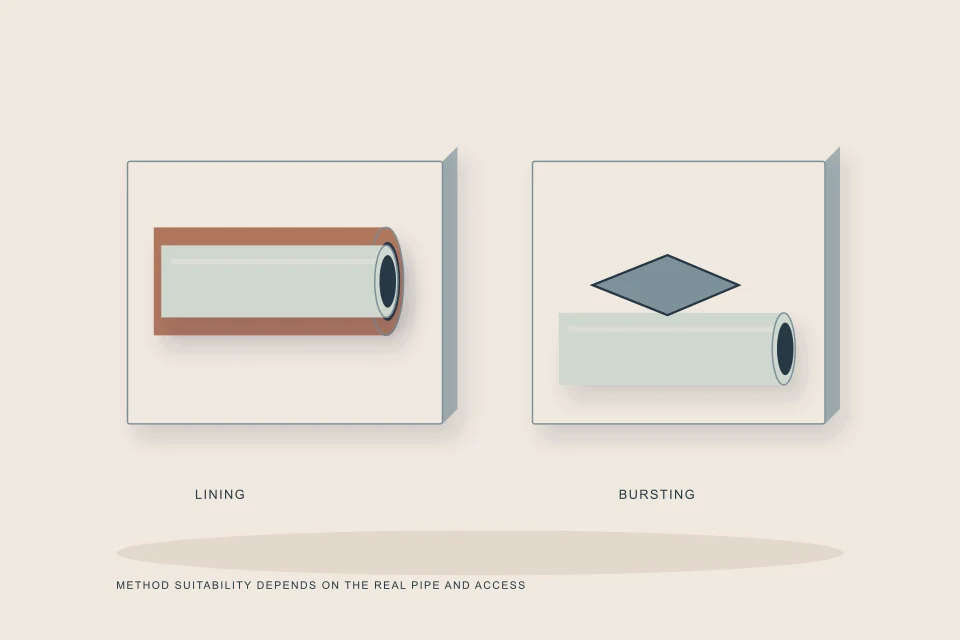
| Root curtain at several joints | Cut, then jet | Trenchless lining to seal the run |
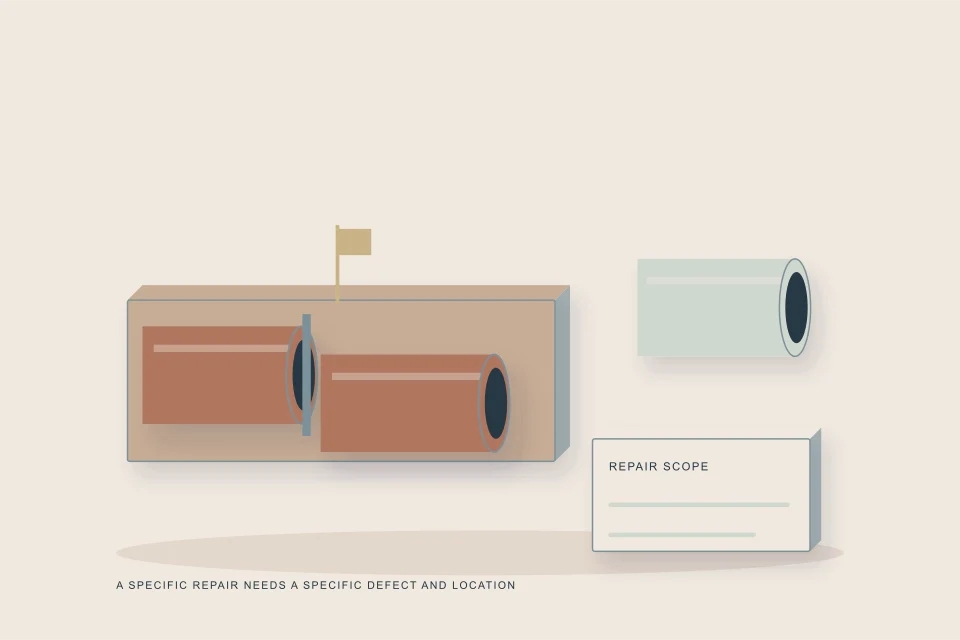
| Dense root ball in one spot | Cut with a root saw | Spot repair or a sectional liner at that joint |
| Roots through cracks in the pipe barrel | Cut | Lining if the pipe is still round; repair if not |
| Roots plus a broken or displaced section | Cut carefully, if at all | Replacement of the damaged length |
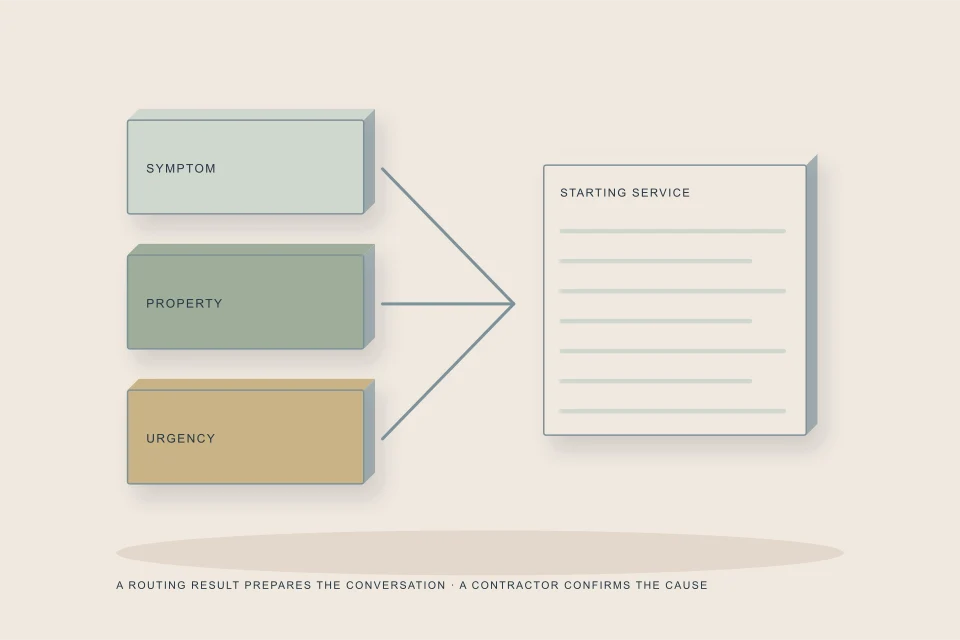
The service selector handles this in one step: choose "roots were found in the line" and it returns root removal first and sewer repair second, because cutting without planning the repair only resets the clock.
03 /How are roots cut out of a sewer pipe?
There are two common mechanical methods, and many contractors use both on the same visit.
Some provinces and municipalities also allow chemical root-control products applied by licensed operators. Rules on these differ by jurisdiction, and they are a maintenance measure rather than a repair, so ask the contractor what is permitted where you live and what evidence supports it for your pipe.
04 /How often do sewer roots need cutting?
There is no universal interval, and anyone who offers one without seeing footage is guessing. Growth depends on the species and size of the tree, soil moisture, how wide the joints are open and how thoroughly the roots were cut. Keep a record of each cleaning, including the date and roughly how far out the roots were, and let that history set the schedule.
- Roots back within a few months means the joints are wide open or the cut was partial; get quotes for sealing.
- Roots back after a year or two is a maintenance pattern some owners accept for a while, especially before a planned replacement.
- Roots plus soil or gravel in the line means the pipe is letting ground in, which is a repair signal, not a cleaning one.
Timing matters as well: dry summer soil gives roots every reason to seek the moisture inside a leaking pipe, so a root-prone line deserves attention through late summer and fall. The seasonal sewer care guide sets out a year's checks.
05 /What should you tell a contractor before roots are cut?
Root cutting goes better when the operator knows the line's history, and some details change whether cutting is wise at all.
- Previous camera footage, especially if it showed breaks, offsets or fibre pipe, which change how aggressively roots can be cut.
- How long since the last cutting and how far out the roots were, so the operator can judge regrowth.
- Any past repairs or liners, since cutters can damage liner ends and reinstated connections.
- Which trees are nearby, including boulevard trees the municipality may own.
- Whether anything was poured in, such as root-control products or chemical openers.
Ask for a camera run after the cut. It is the only way to confirm the pipe is clear edge to edge, to see the joints the roots came through, and to count how many entry points need sealing. That count drives the choice between a few sectional liners and a full-length trenchless liner.
06 /Who pays when a city tree's roots block your line?
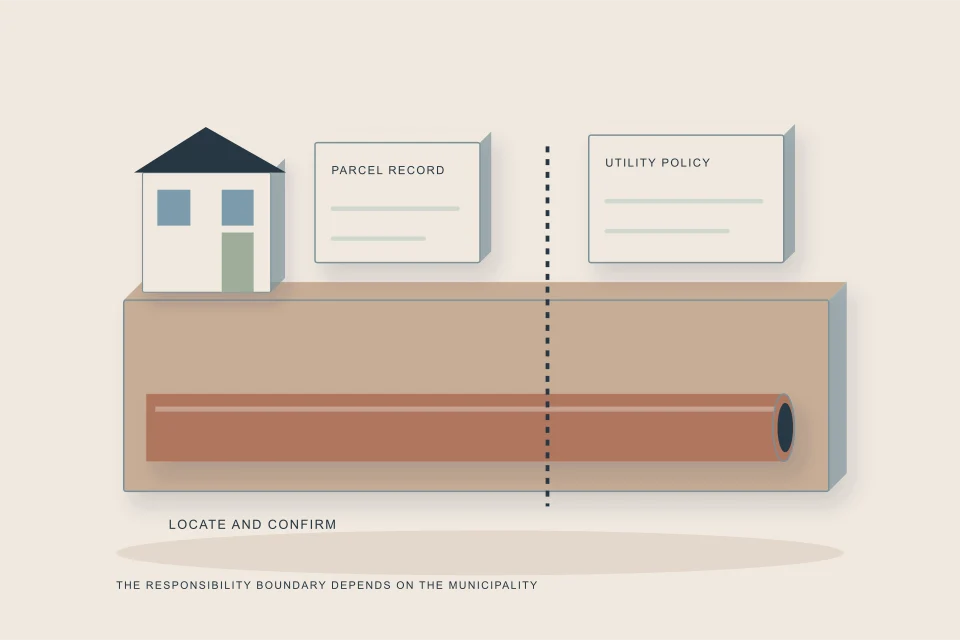
It depends on the municipality and on where the roots entered. In cities where the owner's responsibility ends at the property line, a blockage on the public side may be the city's to clear. Where the owner owns the whole service connection, as Winnipeg describes for pipes running from the house to the main including under the street, the owner is generally responsible even when the roots came from a boulevard tree, subject to any assistance program the city runs.
Call your municipality before a contractor cuts or digs near a public tree. The who owns the sewer line guide compares how several Canadian cities draw the line.
07 /What does sewer root removal cost?
Cable root cutting from an accessible cleanout typically plans at about $250 to $600 in 2026, and jetting with a root nozzle about $400 to $900. Sealing costs far more but ends the recurring bill: a spot repair often plans at $3,500 to $9,000, and a full-length liner at roughly $9,000 to $23,500 for a 15 m residential lateral.
For the full picture on roots, including species, tree protection and root-control options, the network's specialist is SewerRoots.ca. When you have footage showing where the roots enter, send it to the desk and ask for both a cutting price and a sealing price.
FAQQuestions people ask
Can tree roots break a sewer pipe?
Roots usually enter through joints and cracks that are already open rather than breaking sound pipe. Once inside, a growing root mass can widen an opening and push joints apart, so an old root problem often comes with joint damage.
Should I cut down the tree to stop sewer roots?
Usually not as a first step. Removing the tree does not seal the joints, and roots from another tree may find the same openings. Sealing or replacing the damaged section solves the problem while keeping the tree.
Do foaming root killers work in sewer lines?
Some licensed products are used to slow regrowth, and whether they are permitted depends on your province and municipality. They do not repair the joint roots entered through, so treat them as maintenance between cuttings.
Will a liner stop roots from coming back?
A properly installed full-length liner seals joints and cracks along its length, which removes the entry points roots use. Connections and the ends of the liner need to be sealed properly too, so ask how the contractor handles them.
Will insurance pay for cutting roots out of my sewer?
Routine root cutting is generally treated as maintenance. Damage from a resulting sewer backup may be covered only if you bought optional sewer backup coverage. Check your policy wording with your insurer.
NETWORKGo deeper across the HAUSE Sewer network
How tree roots get into sewer pipes
How tree roots get into sewer pipes: vapour leaks at joints, the soft backfill trench, and why clay and concrete laterals fail first, with depth and fixes.
SewerJetting.caHydro jetting tree roots: what it clears, and why the roots come back
Hydro jetting tree roots in a sewer line: root nozzles vs cable cutters, why roots regrow at the same joints, clay pipe care, and when to line instead.
PipeCleaning.caCleaning vitrified clay sewer pipe without breaking it
How to clean vitrified clay sewer pipe safely: root cutting at joints, jetting pressure and nozzles, offsets and cracks, and when clay needs repair.