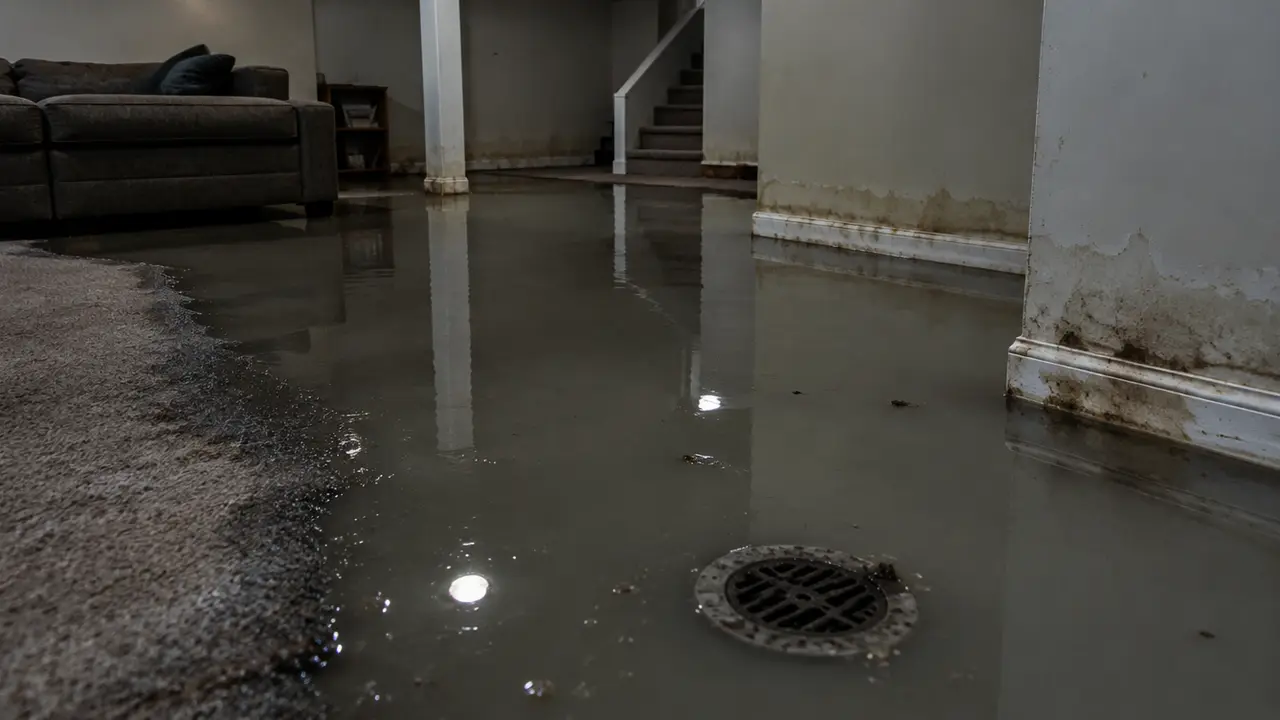
Sewage backup cleanup is the work of making a space safe after sewage has come into it: removing contaminated water and porous materials, cleaning and disinfecting hard surfaces, and drying the structure quickly to limit mould. It is a different trade from clearing the pipe. Clear the line first, document everything for the insurer, then clean up or bring in a restoration company.
- Two jobs, two trades: a drain contractor stops the backup, a cleanup or restoration crew deals with the contamination.
- Health Canada warns that sewage-contaminated air and materials carry a real risk of infection, and that children, pregnant people and anyone with respiratory problems should not handle them.
- Porous materials soaked by sewage, such as carpet, underlay, drywall and insulation, are usually discarded.
- Drying within 48 hours makes mould much less likely, so start quickly.
- Sewer backup damage is covered only with optional sewer backup coverage; call your insurer early and photograph before removing anything.
01 /Why is sewage cleanup a separate service from drain cleaning?
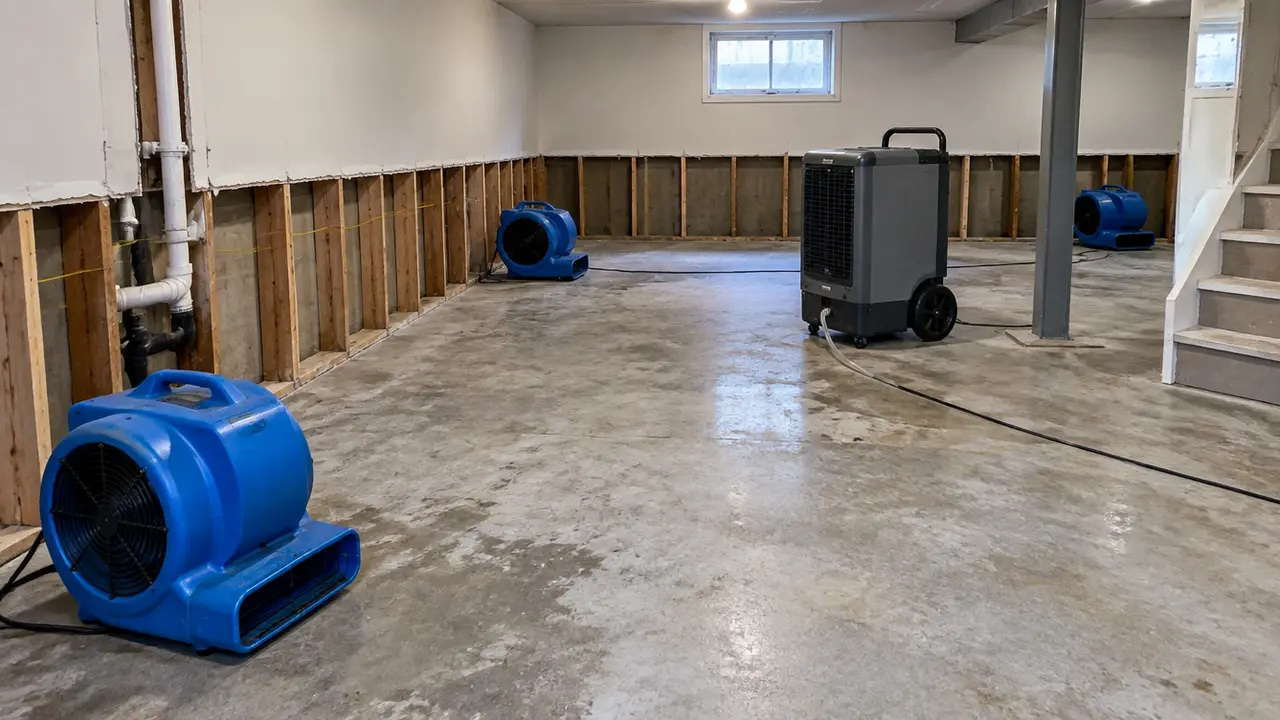
Because the skills, equipment and risks differ. The contractor who opens a blocked main works in the pipe with cables and jetters; the cleanup crew works in the room with extraction pumps, protective equipment, disinfectants, air movers and moisture meters. Some businesses do both, but most homeowners end up dealing with two.
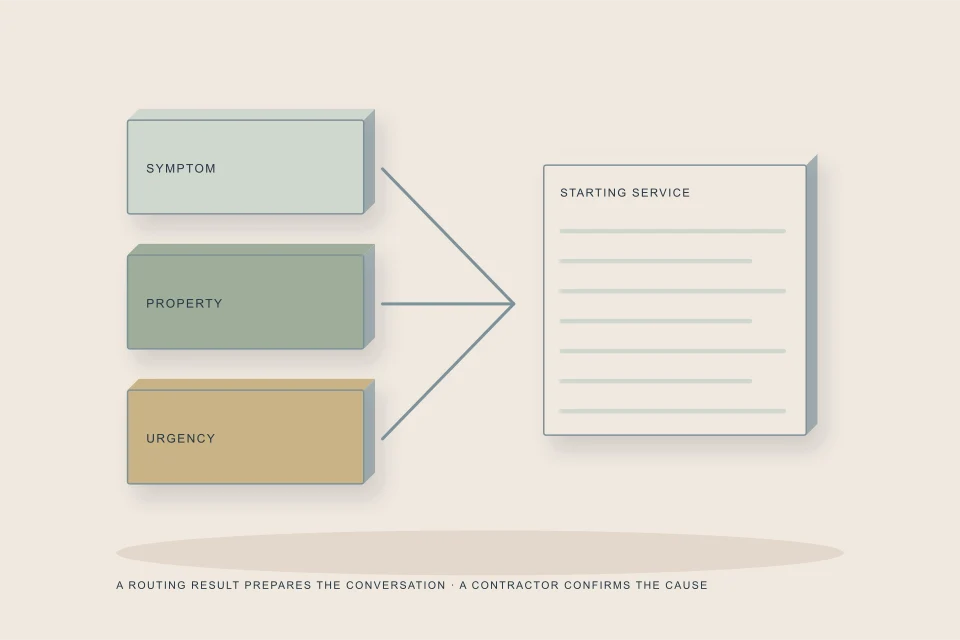
The Sewers.ca service selector reflects this. A floor-drain backup routes to cleaning first, then cleanup, then a backwater valve. If the line is already cleared but the basement is contaminated, it routes to cleanup alone.
| Order | Service lane | Goal |
|---|---|---|
| 1 | Drain or main line cleaning | Stop sewage coming in |
| 2 | Insurance call and photos | Record the loss before anything is removed |
| 3 | Sewage cleanup | Remove contamination and start drying |
| 4 | Camera inspection | Find out why the line blocked |
| 5 | Backwater valve or repair | Reduce the chance of a repeat |
02 /What should you do in the first hour after a sewage backup?
- Stop using water
Every flush, shower and laundry cycle upstairs adds to what comes up the floor drain.
- Keep people and pets away
Especially children, anyone pregnant, and anyone with breathing problems.
- Stay clear of electrical hazards
Do not walk into water near outlets, extension cords or appliances that are plugged in. If you cannot safely reach the panel, call your utility or emergency services.
- Call your municipality and a drain contractor
In Calgary, 311 agents ask questions to decide whether you need a plumber or a City inspection. Toronto investigates to see whether the City's side is involved.
- Photograph and call your insurer
Record water levels, damaged items and the floor drain before cleanup starts.
03 /What gets thrown out after sewage comes into a basement?
Anything porous that sewage has soaked is usually discarded, because it cannot be reliably cleaned. Health Canada's flood cleanup advice lists insulation, drywall, carpets, particleboard furniture, mattresses, pillows, cushions and furniture coverings among items to remove if they cannot be dried, and says flooring soaked by flood water should be removed.
Drywall is typically cut out some distance above the highest wet line, because water wicks upward inside the board. Health Canada recommends disposable gloves, an N95 mask and goggles for flood cleanup, and notes that a house dried within 48 hours is less likely to grow mould.
04 /Can you clean up a sewage backup yourself?
A small amount of sewage on bare, sealed concrete in an unfinished area is something many owners handle, with protective equipment, a wet/dry vacuum, detergent and a disinfectant, and good ventilation. A finished basement, large volumes, carpet, drywall or anyone vulnerable in the home is professional territory.
- Do it yourself only on hard, sealed surfaces, in a small area, with nobody vulnerable exposed.
- Call a professional for finished rooms, soaked walls or carpet, more than a small area, or delays past 48 hours.
- Never mix cleaning chemicals. Health Canada warns that some mixtures produce harmful gases, and bleach with ammonia or acids is a known danger.
The network's specialist on this lane is SewageCleanup.ca, which covers triage, disinfection and working with restoration companies. SewerCleaners.ca covers clearing the line.
05 /How do you protect people and belongings during cleanup?
Contain first, then clean. Close off the affected area, keep children and pets out, and set up a clean route in and out so sewage is not tracked through the house.
- Wear disposable gloves, an N95 mask and goggles, as Health Canada advises for flood cleanup, and wash hands thoroughly after.
- Move undamaged belongings out of the area before they absorb moisture from the air.
- Photograph items before discarding them, and keep a list for the insurer.
- Ventilate with outdoor air where it is safe, and keep the furnace from circulating air from the affected area if you can isolate it.
- Launder clothing worn during cleanup separately in hot water.
Anyone who develops symptoms after exposure should contact a health care provider and mention the sewage contact.
06 /How do you choose a sewage cleanup or restoration company?
After a backup, the pressure to hire the first available crew is intense. A few questions separate a careful job from an expensive one that leaves hidden moisture behind.
- Will you measure moisture and show me the readings? Drying should be verified with meters, not judged by touch.
- What will you remove, and how high will you cut drywall? Ask for the reasoning, room by room.
- What disinfectant will you use on hard surfaces, and how is the area ventilated?
- How is contaminated material bagged and disposed of?
- Will you work directly with my insurer, and who approves extra scope?
- What do the photos and moisture logs you give me at the end include?
Once the space is dry and clean, the question shifts back to the pipe. A backup that happened in dry weather usually started in your own line, so a camera inspection is the next step. A backup during a storm points to the municipal sewer, where a backwater valve is the usual protection. Keep every invoice and photo together; insurers, future buyers and subsidy programs may all ask for them.
07 /What does sewage cleanup cost, and will insurance pay?
As 2026 planning figures, professional cleanup of an unfinished area with hard surfaces often runs about $1,000 to $3,500, one finished room about $3,000 to $10,000, and a whole finished basement about $8,000 to $25,000, before rebuilding. Delays that lead to mould add remediation costs.
The Insurance Bureau of Canada states that water damage in a basement from a sewer backup is covered only if you bought optional sewer backup coverage. Check your policy, report promptly, and keep samples or photos of discarded materials if the adjuster asks. When the line is clear and you need help with next steps, contact the desk.
FAQQuestions people ask
Is it safe to stay in the house after a sewage backup?
Often yes, if the affected area is closed off, there is no electrical hazard, and nobody vulnerable is exposed. Health Canada advises that children, pregnant people and those with respiratory problems should never handle sewage-contaminated water or materials, so they are best kept well away from it.
How quickly does a basement need to be dried after a sewage backup?
As fast as practical. Health Canada notes that a house and its furnishings are less likely to grow mould if they are dried within 48 hours, which is why cleanup and drying should start the same day where possible.
Can carpet be saved after sewage gets on it?
Generally not. Carpet and underlay soaked by sewage are usually discarded because contamination cannot be reliably removed from the fibres and pad. Hard floors are usually cleaned and disinfected instead.
Should I clean up before the insurance adjuster comes?
Take thorough photos and video first, then start removing water and preventing further damage, which most insurers expect. Ask your insurer whether they want samples of discarded materials kept.
Who should I call first, a plumber or a restoration company?
Whoever can stop the sewage coming in. If the line is still blocked, clearing it comes first; otherwise the cleanup crew will be working against a floor drain that is still rising.
NETWORKGo deeper across the HAUSE Sewer network
How to clean up after a sewer backup in the basement
How to clean a sewer backup in a basement: when to do it yourself, gear you need, removing soaked materials, cleaning, disinfecting, drying and rebuilding.
PipeCleaning.caChemical drain cleaners: why they damage pipes and harm people
Chemical drain cleaners explained: how caustic, acid and bleach openers work, how they damage pipes, their burn and gas hazards, and what to do instead.
SewerRoots.caDoes home insurance cover tree roots in a sewer line?
Does home insurance cover tree roots in a sewer line in Canada? Why root cutting and pipe repair are usually excluded, and what backup endorsements pay.