These are the questions people most often bring to a sewer hub: what to do in a backup, who owns which part of the line, when to inspect, which repair method fits, what it costs, and how insurance works. Each answer is short and points to the page that covers the topic in depth.
- In a backup, stop using water, keep people away and call your municipality as well as a contractor.
- Most Canadian cities split responsibility at the property line, with exceptions such as Winnipeg.
- Nearly every repair decision should wait for recorded camera footage.
01 /About this FAQ and the Sewers.ca hub
Sewers.ca is the hub of the HAUSE Sewer network, an independent information and service-request network. It is not a plumbing or sewer contractor and does not perform work. The answers below are general; your municipality, your insurer and a qualified contractor who has seen your pipe have the final word on your situation.
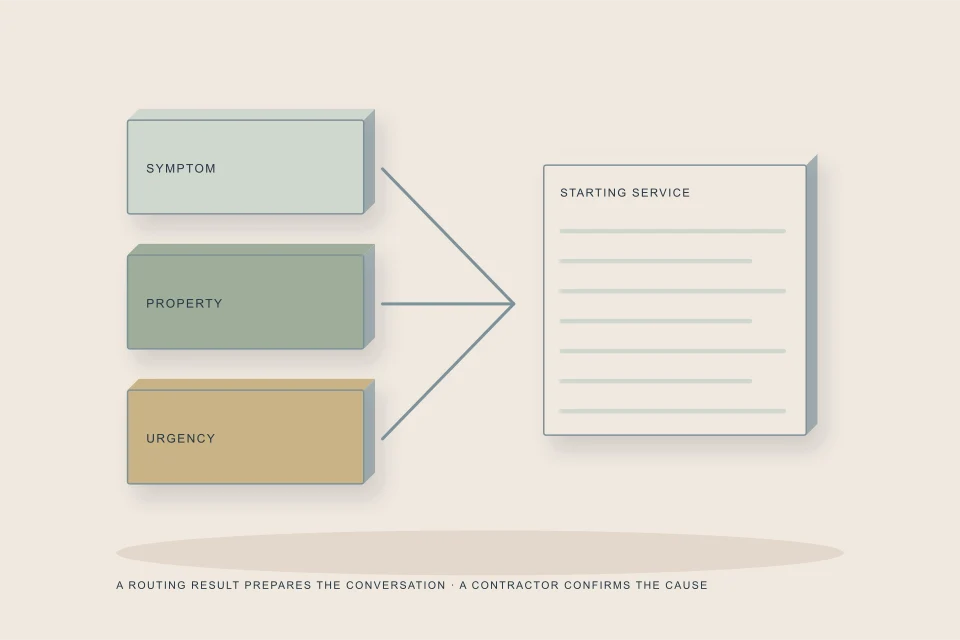
If your question is about which service you need, the Sewer Service Selector is the fastest route. For prices, see sewer service costs; for terms, the glossary.
FAQAll questions
What is Sewers.ca?
Sewers.ca is Canada's sewer network hub: an information site that explains the ten main sewer service lanes, routes symptoms to the right one, and passes service requests to the HAUSE Sewer desk. It is not a contractor, does not dispatch crews and does not promise response times.
What should I do right now if sewage is coming up my basement drain?
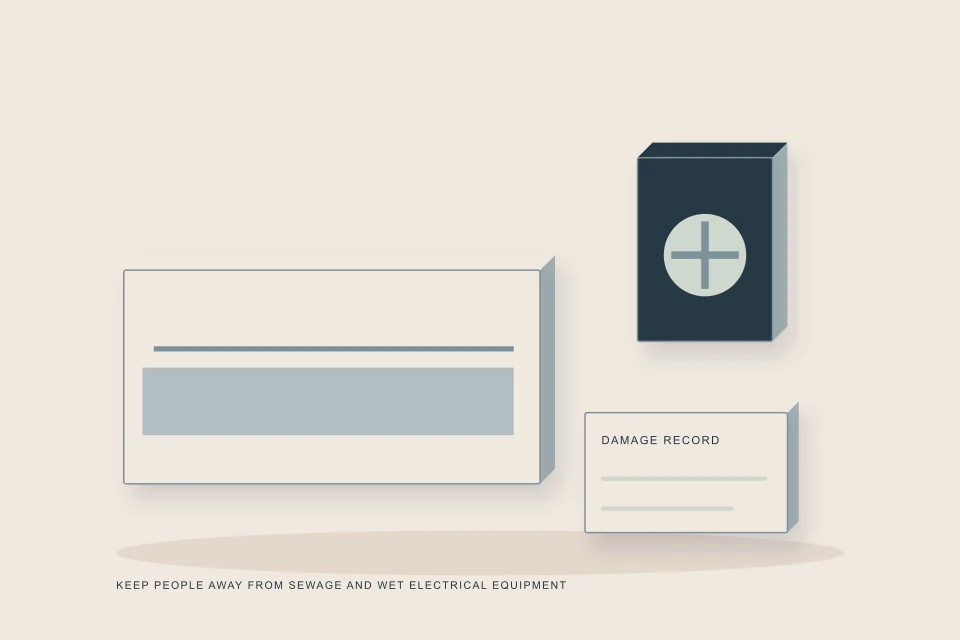
Stop using water in the whole house, keep people and pets away from the sewage, and stay clear of wet electrical equipment. Then call your municipality or 311 and a drain contractor, and photograph the damage for your insurer before cleanup.
Is a sewer backup the city's fault or mine?
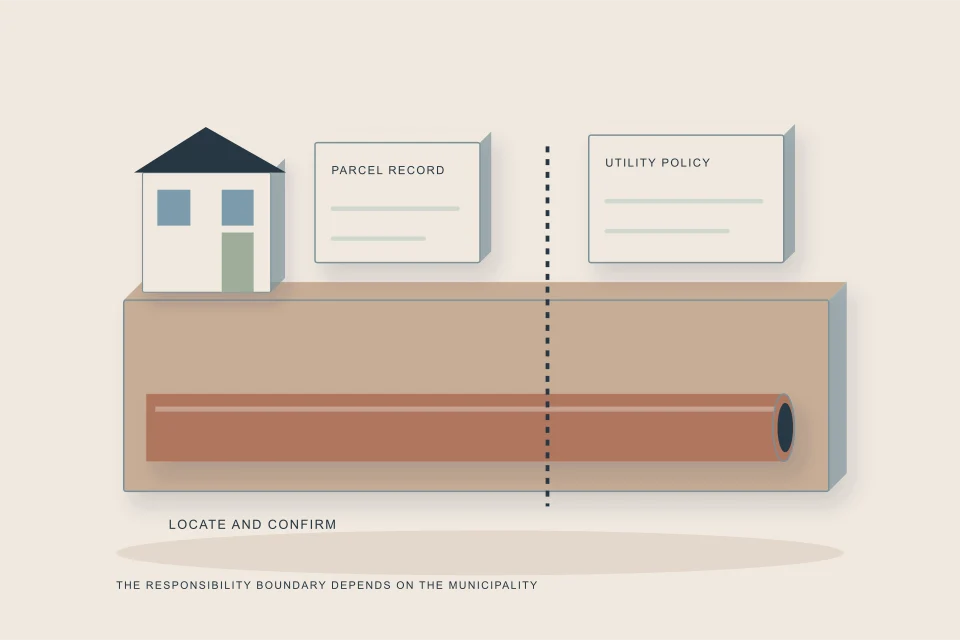
It depends where the blockage or surcharge is. Backups during heavy rain that affect several homes often start in the municipal system; dry-weather backups in one house usually start in that house's line. Many cities will investigate their side on request.
Which part of the sewer line am I responsible for?
In most Canadian cities, the pipe from your building to the property line. The municipality usually owns the rest. Winnipeg is a notable exception, where owners own the service all the way to the main. See the guide on who owns the sewer line.
Do I need a sewer camera inspection before buying a house?
It is strongly worth considering, especially for older homes, homes with large trees, or any history of backups. General home inspections often do not include the sewer lateral. Book it early enough to finish before your condition deadline.
How can I tell if my sewer line is broken?
Common signs are recurring clogs, several fixtures slowing at once, sewage smells with full traps, and soggy, green or sunken strips over the line. Only a camera inspection can confirm a break and show where it is.
What is the cheapest way to fix a sewer line?
The cheapest fix that actually addresses the defect. For a single located problem in sound pipe, a spot repair or sectional liner. For damage along a round pipe, lining often beats digging under hard surfaces. Guessing without footage is usually the most expensive route.
How long does a sewer line last?
It varies widely with material, installation, soil and trees. Well-bedded plastic pipe can last many decades; old clay and cast iron may still work at 70 years or fail much earlier. The camera shows the condition of your pipe, whatever its age.
Will my home insurance pay for a worn-out sewer line?
Generally not for wear and tear. Damage inside the home from a sewer backup is covered only if you bought optional sewer backup coverage, according to the Insurance Bureau of Canada. Check your policy wording and limits.
Can roots be removed from a sewer line for good?
Not by cutting alone. Cutting clears roots for a while, but they regrow through the same joints. Sealing the joints with a liner or repair, or replacing the pipe, removes the entry points.
Is trenchless sewer repair always possible?
No. Lining needs a continuous, reasonably round pipe and cannot fix a sag or pass a collapse. Bursting needs a usable path and room to expand. A camera inspection decides whether either method fits.
Do I need a permit for sewer work?
Many sewer repairs, replacements, new connections and backwater valve installations need a plumbing or building permit and an inspection. Requirements vary by municipality, so confirm before work starts and ask who pulls the permit.
Are backwater valve subsidies available in my city?
Some cities offer them. As checked in September 2026, Toronto offers up to $1,600 per valve and EPCOR up to $800 in Edmonton, each with conditions. Others have ended programs or never had one, so check your municipality's current website.
Why does my house smell like sewer gas?
Often a dry trap in a floor drain or unused shower. Pour water into it. Other causes include a failed toilet seal, a blocked vent or a cracked drain. If the smell persists with traps full, have the line inspected.
Should a homeowner rent a machine to clear the main line?
Some homeowners do, but a backed-up main can release sewage when opened, powered cables can cause serious hand injuries, and you cannot see what you are hitting. For main lines, hiring an operator who can also film the line is usually wiser.
How long does a sewer backup cleanup take?
It depends on the area and materials. A small area of bare concrete may take a day; a finished basement usually needs several days of removal, cleaning and drying, followed by rebuilding. Drying within 48 hours reduces the risk of mould.
What happens if I ignore a slow sewer line?
It can stay slow for a long time or turn into a backup with little warning, often at an inconvenient moment such as a holiday or a storm. Cleaning and filming a line that still flows is cheaper than an after-hours emergency.
Why can two sewer quotes for the same house be thousands apart?
Usually because they price different scopes: methods, depth assumptions, restoration, permits and final video. Build every quote from the same footage and ask each contractor to price the same scope.
How deep is a residential sewer line in Canada?
It varies by city, lot and region, largely to keep below frost and reach the main by gravity. Some are shallow and others deep; a camera inspection with a sonde locate gives your line's approximate depth.
Is sewer replacement possible when the ground is frozen?
Yes, but frozen ground adds thawing or breaking costs and restoration may wait until spring. Emergencies are handled year-round; non-urgent work is often scheduled for summer or early fall.
Does the HAUSE Sewer desk send a contractor?
The desk replies to service requests with next steps and, where available, passes the request to a local contractor. HAUSE Sewer does not perform work, does not vet or vouch for contractors, and cannot promise response times.
How do I contact the HAUSE Sewer desk?
Use the quote request form on this site, or email sewers@hause.ca or call 403-679-3100. Include the symptoms, the age of the house, any camera footage and any quotes already received.
Is Sewers.ca only for Alberta?
No. Sewers.ca covers sewer services across Canada. Some examples come from Alberta cities because the network's local sister sites are Calgary-based, and municipal rules quoted on the site name the city they apply to.
Where do the sewer cost ranges on Sewers.ca come from?
They are editorial planning assumptions for 2026, based on typical quoted ranges, and the same assumptions power the sewer cost estimator. They are not a price survey or a quote, and local prices can sit above or below them.